
The Ultra Worx blog
How Often Should Roof Safety Systems Be Inspected? A Guide for Building Managers and Duty Holders
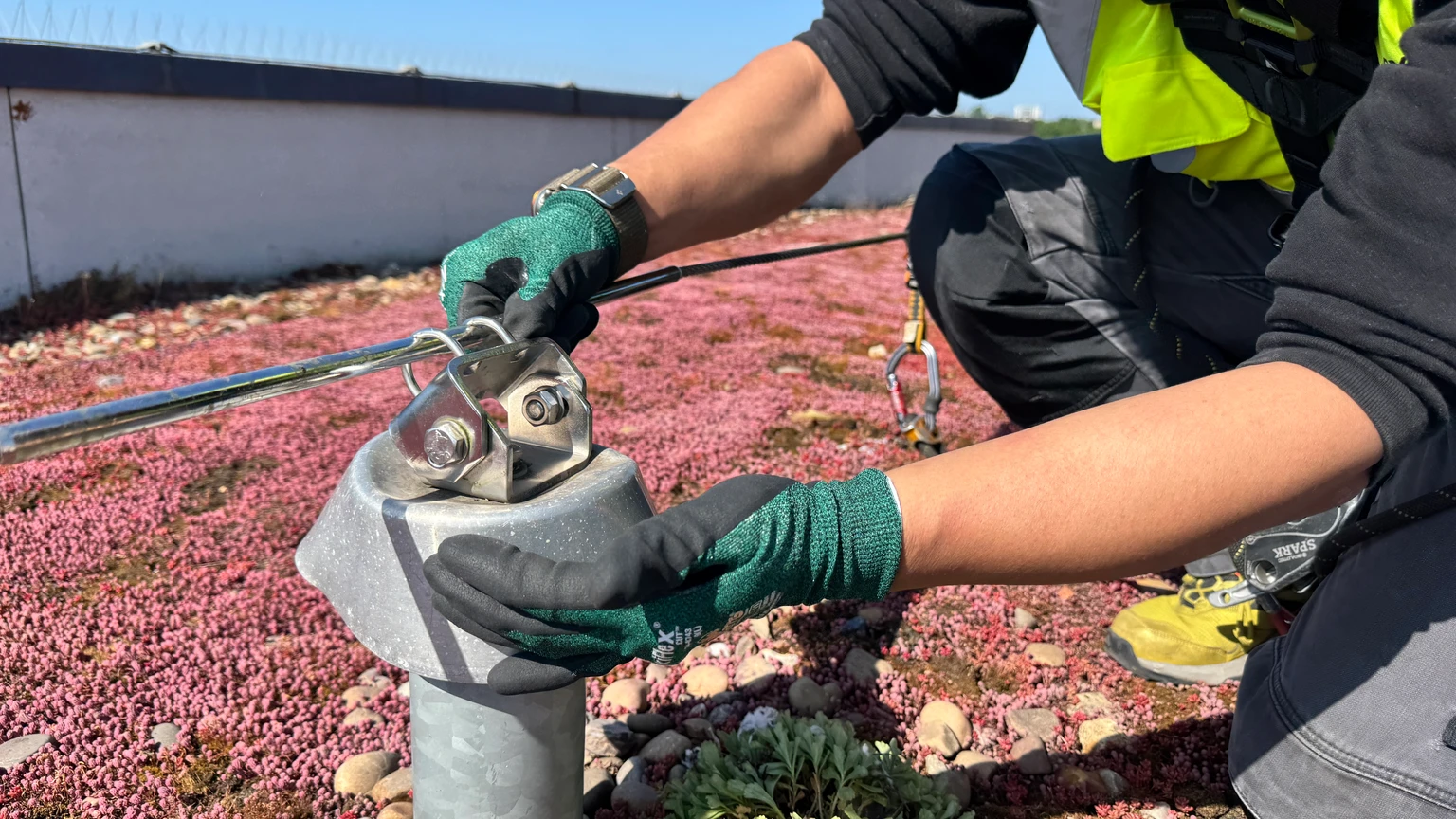
If you are responsible for safe roof access, one question matters sooner than many teams realise: when is a roof safety system inspection actually due? For building managers, duty holders and FM teams, leaving it too long can create compliance gaps, unsafe access and avoidable remedial costs.
The short answer is that roof safety systems should be checked before use, formally inspected at planned intervals by a competent person, and reviewed again after anything that could affect their integrity. For many permanent systems, an annual inspection is the usual baseline, but that is not a rule to apply blindly. Exposure, usage, age, environment and site history all matter.
At Ultra Worx Ltd, we support commercial and industrial clients with working-at-height safety, inspections and access solutions across England. This guide explains what building managers need to consider, when annual checks may not be enough, and what to do if your system is overdue review.
Roof safety system inspection: how often is it needed?
In practice, most sites should think about inspection at three levels rather than relying on one date in the diary.
1. Before each use
Anyone planning roof access should carry out a sensible pre-use check. That does not replace a formal inspection, but it can help spot obvious issues before work begins.
- Is the system clearly identified and within its inspection period?
- Are there visible signs of damage, corrosion, looseness or missing components?
- Has anything changed on the roof since the last visit, such as new plant, contractors, penetrations or access routes?
- Is the system suitable for the task being planned?
2. At planned formal intervals
For many permanent roof safety systems, a formal inspection by a competent person every 12 months is the standard starting point. That often applies to items such as fixed anchor points, safety lines and guardrails, but the correct frequency should always reflect the manufacturer guidance, the system design and the site risk profile.
Some buildings will justify more frequent inspections, including six-monthly reviews, especially where systems are heavily used or exposed to harsher conditions.
3. After an event or change
A system may also need immediate review after severe weather, impact, suspected loading, unauthorised alteration, nearby roof works or any discovery of visible defects. If there is uncertainty about condition, labels are missing, or the last inspection date has lapsed, it is sensible to arrange an inspection before further use.
What counts as a roof safety system?
The term can cover a range of fixed measures used to protect people accessing commercial or industrial roofs. On many sites, that includes:
- Fixed safety lines and cable-based systems
- Anchor points used with personal fall protection
- Guardrails and edge protection
- Other fixed safe-access measures that support movement to plant, maintenance zones or inspection areas
If people rely on the system to reach gutters, roof coverings, M&E equipment or other high-level areas, it should sit within a planned inspection regime. It is also important to remember that any associated harnesses, lanyards and PPE have their own inspection requirements alongside the roof system itself.
What changes the inspection frequency?
Not every roof sees the same level of risk. A lightly accessed office roof is very different from a busy industrial facility with regular contractor visits. The right interval depends on how the system is used in the real world.
System type and manufacturer instructions
Different systems are designed, loaded and maintained differently. A fixed guardrail is not inspected in the same way as a horizontal lifeline, and an anchor point system may have different checks from a passive edge protection arrangement. The starting point should always be the system documentation and manufacturer guidance.
How often the roof is accessed
If multiple trades use the roof regularly, wear and tear can build faster. Facilities with frequent maintenance visits, reactive call-outs or ongoing roof works should review whether annual inspection is enough or whether more frequent planned checks are justified.
Weather and environmental exposure
Roofs take the full force of the elements. Rain, standing water, UV exposure, wind loading and temperature change can all affect components over time. Systems in coastal, corrosive or otherwise aggressive environments may need closer attention than sheltered sites.
Age of the installation
Older systems are not automatically unsafe, but ageing components, historic alterations and missing records can all increase uncertainty. Where documentation is incomplete, an inspection can help establish current condition and what action is needed next.
Impact, loading or unauthorised changes
If a system has arrested a fall, been struck, disturbed during roof works or altered without proper control, do not assume it remains suitable. Event-led inspection is essential in these situations.
What should a competent inspection include?
A proper inspection is more than a quick visual glance from the access hatch. It should look at the system as a safety-critical asset, not just a collection of metal parts.
Depending on the system, a thorough inspection may include:
- Checking anchors, posts, rails, cables and connection points for wear, distortion, looseness or corrosion
- Reviewing fixings and interfaces with the roof structure or substrate
- Looking for signs of movement, damage or deterioration around penetrations and support points
- Confirming that labels, identification and inspection records are present and legible
- Assessing whether the layout still matches how the roof is actually being accessed and used
- Recording defects, recommendations and whether remedial works or further review are needed
Good reporting matters. Building managers need clear records that show what was inspected, what condition it was found in, and what actions should follow. That is especially important where multiple contractors, insurers or compliance stakeholders may ask for evidence later.
Common signs your system may be overdue attention
Sometimes the calendar tells you an inspection is due. In other cases, the roof itself gives the warning signs first.
- Inspection tags or records are missing or out of date
- Visible rust, corrosion or loose fixings
- Damaged posts, bent components or slack line sections
- Water ingress or roof deterioration around fixing points
- Changes to plant, walk routes or roof layout since installation
- Different contractors using the roof in ways the original system may not have been designed around
If any of these are present, it is worth arranging a review rather than waiting for the next planned visit.
Inspection, recertification and remedial works are not the same thing
This is where many duty holders get caught out. A system being present on the roof does not automatically mean it is ready for use, and an inspection date alone does not solve underlying defects.
An inspection may lead to several outcomes:
- The system is in suitable condition and can remain in service within its next review period
- Minor remedial works are needed to restore full confidence
- Parts of the system should be taken out of use pending repair or replacement
- The existing arrangement no longer suits how the roof is accessed and needs upgrading
That is why it helps to work with a specialist who can inspect, explain findings clearly and support the next step, whether that is maintenance, upgrade or replacement.
Why building managers should not wait until access is urgent
In a live commercial environment, roof access is often needed at the worst possible moment: a leak, a plant issue, blocked gutters or an urgent inspection after bad weather. If the roof safety system status is unclear at that point, delays become far more likely.
A planned inspection regime gives you a better chance of avoiding disruption. It also helps with budgeting, because remedial works found early are usually easier to programme than reactive interventions under time pressure.
Where roofs are already part of your planned preventative maintenance strategy, safety system inspections should sit alongside roof inspections and broader access planning rather than being treated as a separate afterthought.
How Ultra Worx Ltd can help
At Ultra Worx Ltd, we provide specialist working-at-height support for commercial and industrial clients, including roof safety systems, fall protection inspections and wider working at height services.
We are based in Uxbridge and deliver building maintenance, inspections, repairs and safety solutions across England. As an authorised Kee Safety installer, we can support inspections, identify defects, advise on remedial works and help clients plan upgrades or replacement systems where needed.
Our IRATA-certified rope access technicians also help us inspect and access difficult areas safely and efficiently where conventional methods may create more disruption. Clients describe our team as knowledgeable, professional and practical, with in-depth reports and a willingness to solve complex problems rather than work around them.
If your site needs a competent review of existing roof protection, we can help you understand what condition the system is in, whether it remains suitable for current use, and what actions should come next.
Frequently asked questions
Is an annual roof safety system inspection always enough?
Not always. Annual inspection is often the normal baseline for permanent systems, but some roofs need more frequent checks because of heavy use, weather exposure, corrosive environments, age, or changes to how access is managed.
Do guardrails still need inspection if they are passive protection?
Yes. Passive systems do not rely on user connection, but they are still safety-critical. They should be checked for stability, fixings, damage, corrosion and continued suitability for the roof layout.
Who can carry out a roof safety system inspection?
The inspection should be completed by a competent person with appropriate knowledge of the system being reviewed, including relevant standards, manufacturer requirements, installation methods and signs of defect or deterioration.
What happens if a safety line or anchor system fails inspection?
That depends on the defect. The system, or part of it, may need to be taken out of use until remedial works, replacement components or a full upgrade have been completed. Clear reporting is important so building managers know exactly what is and is not suitable for use.
Can roof safety system inspections be combined with other maintenance checks?
Yes, and that is often the sensible approach. Combining them with roof condition reviews, leak investigations or planned maintenance can give a clearer picture of both access safety and the roof assets being protected.
Arrange a roof safety system inspection
If you are unsure whether your roof safety system is in date, suitable for current use or showing early signs of deterioration, it is better to check now than wait for an urgent access requirement.
Arrange a roof safety system inspection with Ultra Worx Ltd to assess compliance, condition and any required remedial works. Visit our website or email Services@Ultra-Worx.com to discuss your site.