
WAH vs WAH: The Safety Showdown Isn’t it funny how three little letters—WAH—can spark two very different mental images? For some, WAH means Work from Home: pyjamas all day, questionable amounts of coffee, and the risk of being interrupted mid-meeting by a cat presenting its backside to the camera. For others, WAH is Work at Height: helmets, harnesses, and the kind of view you can’t get from even the fanciest corner office. At first glance, these two lifestyles couldn’t be further apart. Yet,...
WAH vs WAH: The Safety Showdown
Isn’t it funny how three little letters—WAH—can spark two very different mental images?
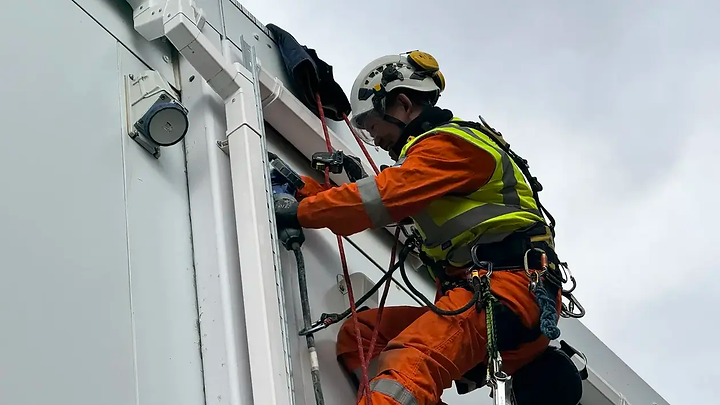
For some, WAH means Work from Home: pyjamas all day, questionable amounts of coffee, and the risk of being interrupted mid-meeting by a cat presenting its backside to the camera. For others, WAH is Work at Height: helmets, harnesses, and the kind of view you can’t get from even the fanciest corner office.
At first glance, these two lifestyles couldn’t be further apart. Yet, scratch beneath the surface and you’ll find the odd similarity:
- Both involve long stretches of sitting (in a chair vs. in a harness).
- Both can be unexpectedly dangerous (tripping over a laptop cable vs. tripping over… gravity).
- Both involve shouting (at the Wi-Fi router vs. at the wind).
The Hidden Hazards of Working from Home
Remote work feels safe compared to construction sites or rooftops, but home is full of sneaky risks.
- Slips, trips, and falls: According to RoSPA (The Royal Society for the Prevention of Accidents), more than 6,000 people die in home accidents every year in the UK, with falls being the leading cause. Admittedly, most aren’t from office chairs—but the humble staircase is a silent assassin.
- Musculoskeletal misery: A 2022 survey by the Institute of Employment Studies found that 81% of remote workers experienced musculoskeletal pain, largely from poor home-office setups. Perching on the sofa with a laptop isn’t ergonomic—it’s a slow-motion injury.
- Screen strain: Staring at monitors for hours has led to a rise in eye strain, headaches, and even sleep issues. “Death by PowerPoint” is still a joke, but your retinas might not be laughing.
- The mental toll: Working from home also blurs boundaries. Studies have linked remote work isolation to increased anxiety and burnout. You might be physically safe, but mentally fried.
Sure, you won’t fall 20 metres off a scaffold in your living room—but death by ergonomic chair is a very modern way to go.
The Obvious Risks of Working at Height
Now, onto the other WAH: the one where you’re closer to pigeons than people.
- The hard facts: According to the HSE, falls from height remain the single biggest cause of workplace fatalities in the UK, accounting for roughly 30% of all fatal accidents at work in recent years. That’s not just in construction—retail, transport, and facilities management all feature in the stats.
- Ladders aren’t harmless: Simple ladder use still causes thousands of injuries annually. The HSE reported that over 5,000 injuries involving ladders were recorded in the UK over a recent five-year period.
- Rope access is surprisingly safe: Here’s the twist. Data from IRATA (Industrial Rope Access Trade Association) shows that rope access—despite looking terrifying—is one of the safest ways to work at height. The dual-rope system and strict training mean accident rates are far lower than with scaffolding or ladders. In 2021, IRATA reported over 22 million hours of work worldwide with minimal incidents.
So yes, the risk is greater at height, but the industry has spent decades making it as controlled as possible. It’s the everyday “quick jobs” with ladders or shortcuts where trouble really strikes.
Comparing the Two WAHs
Let’s line them up:
- Work from Home: More frequent, low-level injuries (back pain, RSI, eye strain, trip hazards). Low consequence, high volume.
- Work at Height: Less frequent, but much higher consequence (falls, serious injuries, fatalities). High consequence, low volume.
Statistically, you’re more likely to tweak your neck working from home, but if something goes wrong at height—it really goes wrong.
It’s a bit like comparing paper cuts to shark attacks. Which hurts more depends on your day.
Final Thoughts
Maybe the real answer is a hybrid model: work from home at height. Imagine a rooftop Zoom call with panoramic views. Forget virtual backgrounds—you’ve got actual clouds drifting behind you. HR might raise an eyebrow, but hey, morale would skyrocket.
The truth is, neither version of WAH is risk-free. One threatens your spine, the other your life. Both demand respect for safety, decent equipment (whether ergonomic chairs or fall-arrest harnesses), and probably a good sense of humour.
So next time someone says “I’m WAH today,” maybe ask: “Do you mean with a laptop, or a lanyard?”
Either way, coffee is essential—and so is not falling off anything, whether that’s your chair or a 20-storey building.